Previous Glasses: The Very Little Laceration SMILE Ocular Treatment Experience
Web Content Writer-Gould Lang
In recent years, advancements in eye surgery have transformed the way we approach correcting vision. One of the most significant innovations is SMILE eye surgery, a non-invasive operation that has garnered popularity among those looking for options to glasses and contacts. With its rapid recovery time and successful results, SMILE eye surgery is becoming a favored option for managing myopia. For anyone considering a future without glasses, grasping what SMILE eye surgery includes is important.
This article delves into the intricacies of SMILE eye surgery, exploring its benefits, financial aspects, and how the surgery works. By comparing it with alternative methods like PRK, we will provide insights into why countless individuals are selecting this advanced technique. Whether you're curious about the possible complications, the healing process, or the overall impact on your way of living, we aim to furnish you with the information needed to make an wise decision about your vision correction journey.
Grasping Small Incision Lenticule Extraction Eye Surgery
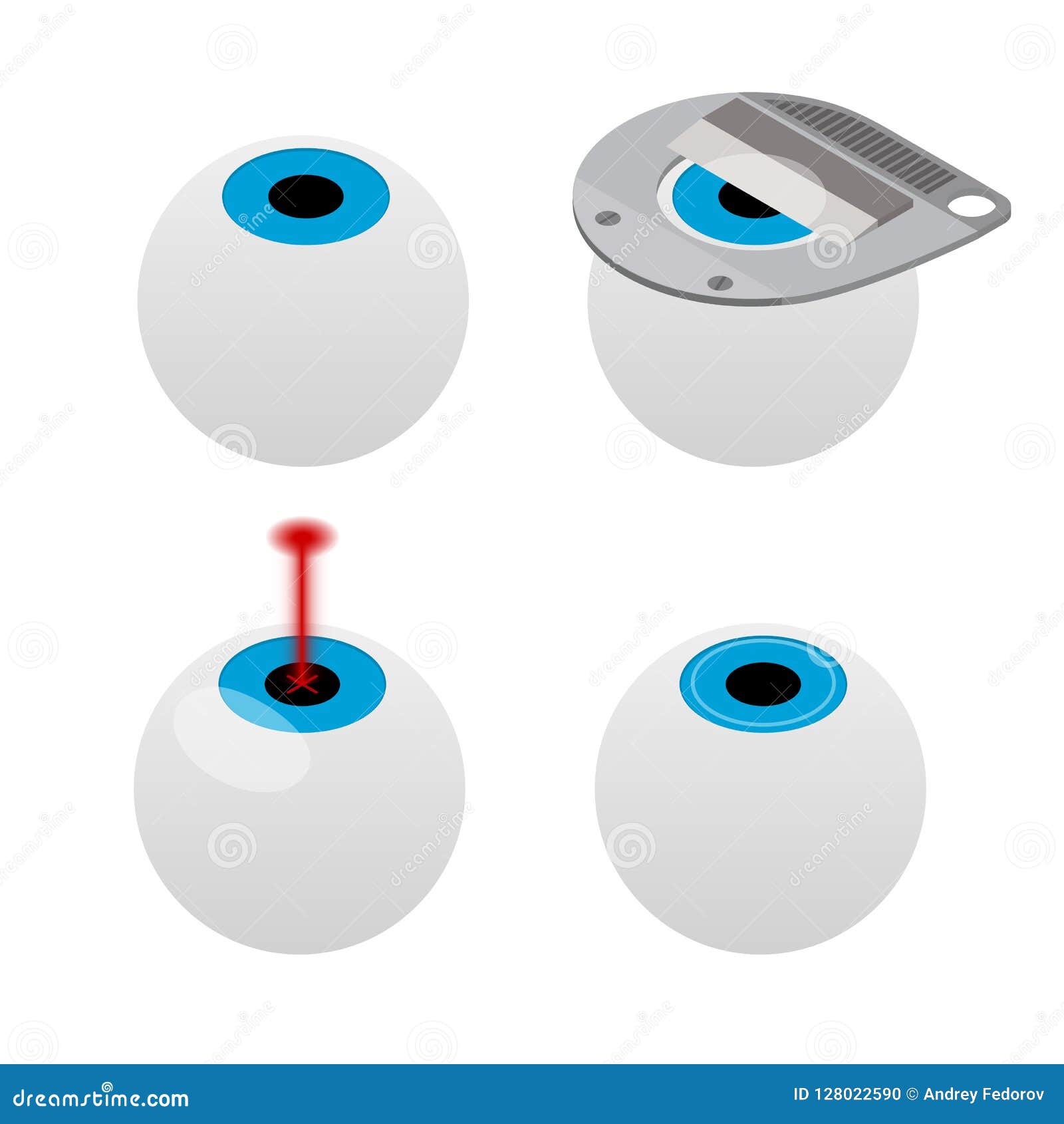
SMILE Eye Surgery, or Small Incision Lenticule Extraction, is an advanced laser procedure created to correct vision problems, primarily nearsightedness or nearsightedness. https://coveteur.com/2020/08/12/lasik-surgery-testimonial/ -of-the-art technique facilitates a minimally invasive approach, which distinguishes it from conventional methods like LASIK. The SMILE procedure makes use of a unique laser to form a small lenticule within the cornea, which is then removed through a small incision. This process reshapes the cornea, enhancing the eye's ability to focus light accurately onto the retina.
One of the key benefits of SMILE Eye Surgery is the lowered risk of complications associated with larger surgical incisions. By using a more compact incision, patients experience less disruption to the corneal nerves, which can lead to a more comfortable recovery and a lower incidence of dry eye relative to other surgical options. Moreover, the SMILE procedure is particularly effective for those with substantial levels of myopia, offering a great level of precision and effectiveness that patients look for.
The cost of SMILE Eye Surgery can fluctuate based on multiple factors, including the surgeon's experience, the technology employed, and the geographic location of the clinic. While it is typically comparable to the cost of LASIK, patients should weigh not only the financial aspect but also the benefits such as quick recovery time and few side effects. As an increasing number of individuals look for alternatives to glasses and contact lenses, understanding what SMILE Eye Surgery entails will enable them make informed decisions about their vision correction options.
Benefits and Costs of SMILE
A key benefits of SMILE eye surgery is its less invasive nature. Unlike traditional LASIK procedures, SMILE uses a smaller incision resulting in less disruption of the corneal nerves. This often results in lessened dry eye symptoms post-surgery in comparison with other vision correction surgeries. Patients typically experience faster recovery times, allowing them to return to their daily activities faster.
Along with its surgical advantages, many individuals discover that SMILE eye surgery provides significant improvements in visual acuity, particularly for those struggling with nearsightedness. With a high rate of patient satisfaction, many indicate achieving 20/25 vision or better after the procedure. This improvement in vision quality can positively impact many areas of life, including sports, driving, and general comfort free from glasses or contacts.
When considering the costs, SMILE surgery can be costlier than traditional LASIK due to the advanced technology involved. On average, SMILE laser eye surgery costs range from two thousand to three thousand dollars per eye. However, many patients consider the investment as worthwhile given the possible long-term savings on eyewear and the improved quality of life that comes from improved vision.
Our SMILE Procedure Detailed
SMILE surgery, often referred to as the Small Incision Lenticule Extraction technique, is a gentle procedure designed to correct myopia. This method utilizes the use of advanced laser technology to generate a thin lens-like tissue layer, referred to as a lenticule, within the eye's cornea. In contrast to traditional LASIK surgery, SMILE doesn't necessitate a large flap to be formed on the surface of the eye, leading to lower chance of issues and a easier recovery.
During the SMILE operation, the surgeon utilizes a advanced laser to create both the lenticular tissue and a tiny opening on the cornea. After the lenticule is taken through this small incision, the cornea is reshaped to permit light to accurately focus onto the retina, enhancing vision. The whole operation typically requires only about 15 minutes per eye, and patients often feel minimal pain during.
Recovery after SMILE eye surgery is generally quick compared to different vision correction procedures. A majority of patients notice an increase in their sight in a day or two, getting back to regular activities in a brief period. While there may be some short-lived side effects, like eye dryness or slight vision disturbances, these generally go away as the eyes improve. Overall, SMILE delivers a favorable alternative for those seeking freedom from eyeglasses or contacts.
Healing and Complications
Healing from SMILE eye surgery is relatively quick when contrasted with traditional laser eye procedures. Most patients experience an instant improvement in their vision promptly after the surgery, typically attaining stable vision within a couple of days or two. It is crucial to follow post-operative instructions provided by the surgeon, such as using prescribed eye drops and steering clear of strenuous activities for a brief period. SMILE Laser Eye Surgery Benefits attend a follow-up appointment within a week to assess healing and vision.
While many patients undergo minimal discomfort, some side effects may happen. Common side effects include dry eyes, temporary blurriness, and mild discomfort, which typically resolve within a few days to weeks. It is crucial to communicate with the ophthalmologist about any persistent or unusual symptoms, as this can assist ensure a comfortable recovery process.
SMILE eye surgery offers a safe alternative to other procedures like PRK or LASIK, but comprehending potential side effects is essential. Rare complications can arise, such as halos around lights or reduced night vision, but these are rare. Balancing the benefits against possible risks can help individuals make wise decisions about opting for SMILE surgery, improving their quality of life free from glasses or contact lenses.